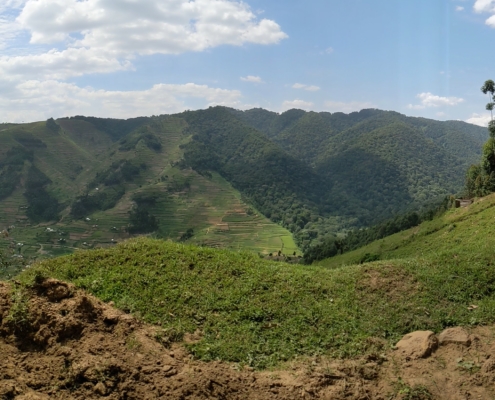
Because we added on the chimpanzee trek to our itineary, we spent a full day driving from one national park to the other. The drive to Bwindi Impenetrable National Park took us approximately eight hours. Along the way, we passed through Queen Elizabeth National Park. Although this park is famous for its tree-climbing lions, we were not fortunate enough to spot any.
During the drive, we stopped at the equator for a quick science lesson and photo shoot. After spending a significant time sitting, it was nice to get out and stretch our legs. Plus, some of the roads are quite rough and uneven. As we bounced along the uneven dirt tracks, we found ourselves gripping our seats, while clouds of dust swirled outside and the vehicle rattled over potholes. During these moments, our tour guide humorously asked how we were enjoying the “Ugandan Massage!”
Arrival
Upon reaching Bwindi Impenetrable National Park, we checked in at the Gorilla Mist Camp. Here, we were welcomed with an introduction and a meal before heading to bed. Tomorrow was going to be an early rise for an early morning trek with the mountain gorillas.
Gorilla Trekking Experience
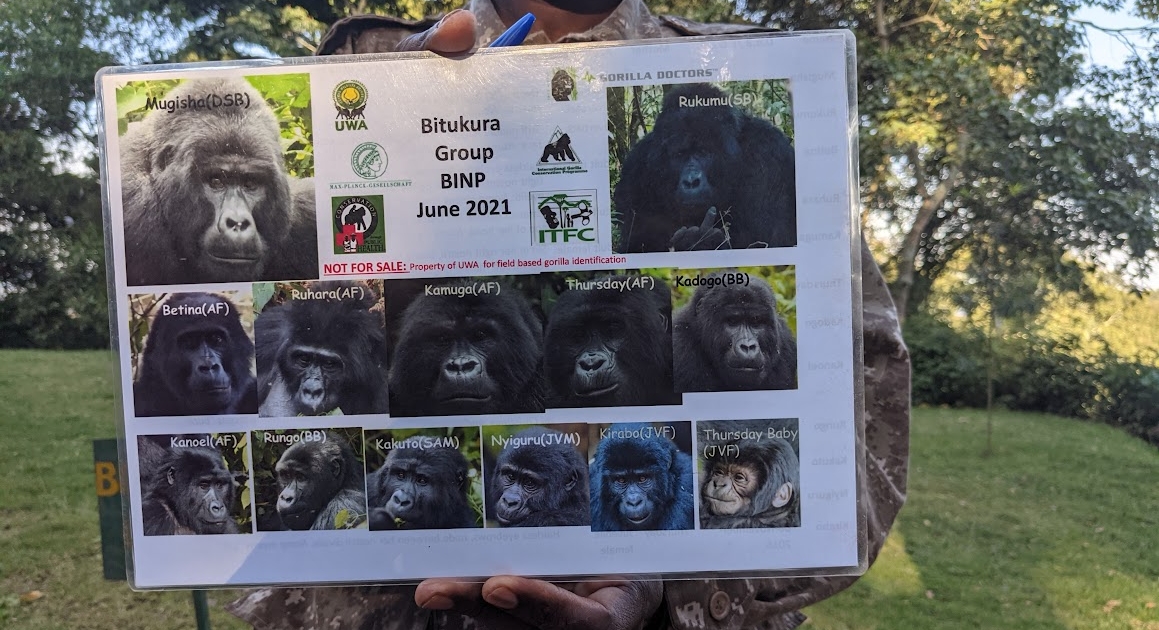
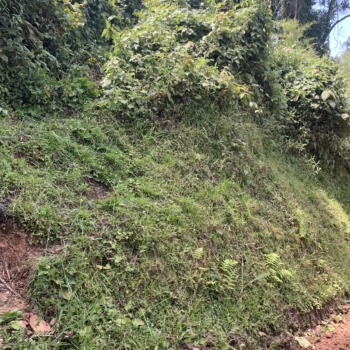
Our day began at the visitor center for orientation and assignment to a gorilla family-specifically, the Bitukura Group. Prior to our arrival, trackers had already been sent out to locate the gorillas, making our trek a little easier. The trek began at the drop-off point on the side of a forested mountain and away we went. Our guides frequently explained the various trails we came across. We came across a fresh elephant trail and hoped to see elephants, though luck was not on our side this time. Don’t worry; we were able to see plenty of elephants in our upcoming trip to Zimbabwe and Botswana.
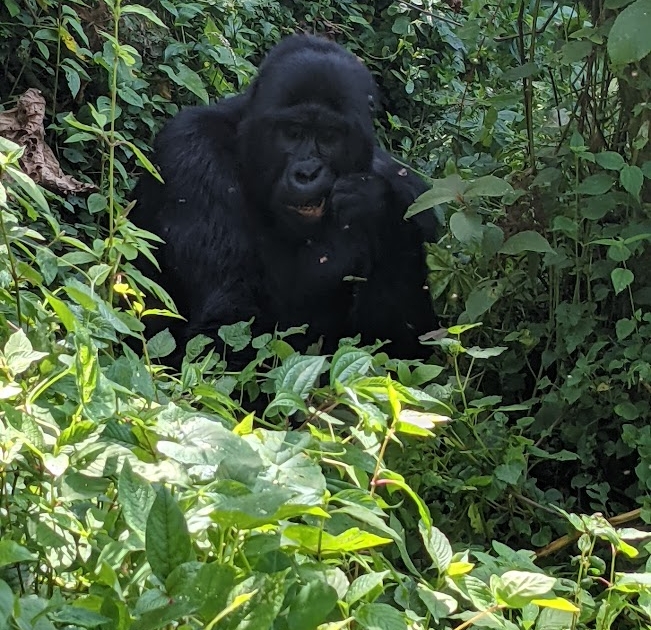
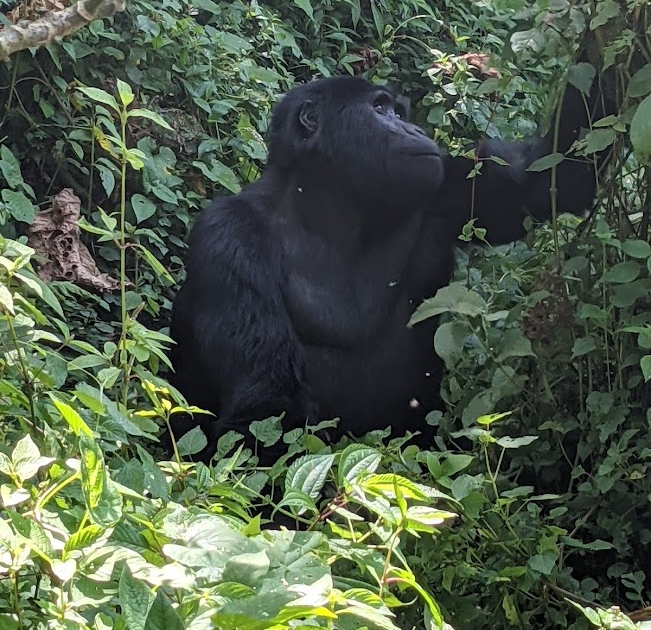
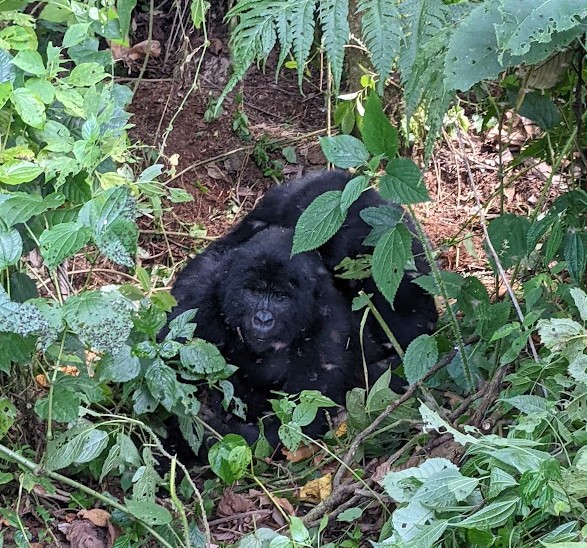
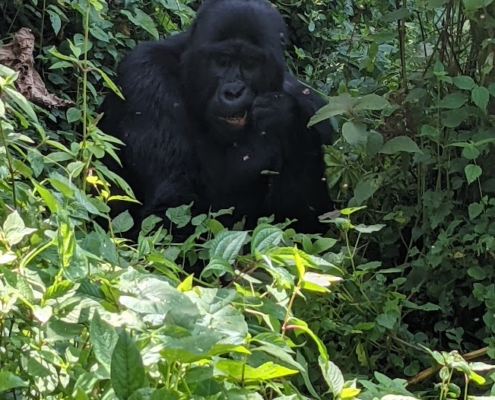
As we approached the gorillas, the presence of more flies signaled that we were drawing near. At this point, everyone was asked to put on a mask and leave extra belongings behind. The assistant guide stayed with our belongings, while the main guide led us to the gorillas. We stayed with the gorillas for about an hour before heading back out. The gorillas appeared much calmer than the chimpanzees we had seen earlier. Although, there was one point where the silverback charged at us, letting us know we were close enough when the trackers attempted to clear a better view. Amusingly, my Dad almost got knocked down again, suggesting that primates may not be his biggest fans. We did get to see all members of the family, including a little baby. Watching these incredible creatures in their own habitat was truly fascinating.
Once the trek concluded, our tour guide met us at the side of the mountain where we had been dropped off, and we proceeded to our next destination: Lake Bunyonyi.
Relaxing at Lake Bunyonyi
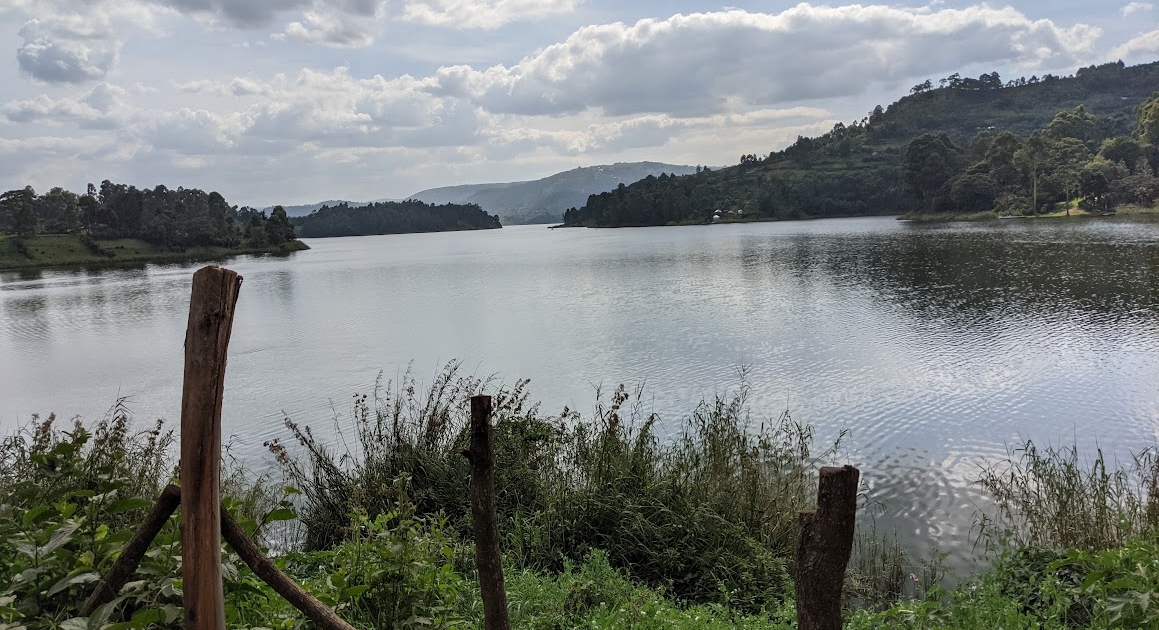
Lake Bunyonyi, known as the deepest lake in Uganda, provided a great place to unwind after our strenuous hike. Here we were spoiled with spotty internet service. This proved to be just enough for my Dad to discover that his furnace had stopped heating their house (point of reference; we’re from Wisconsin and it’s the middle of January). Due to the nine-hour time difference, he had to wait anxiously for a couple of hours until businesses opened back home and he could call someone, worrying all the while about the possibility of pipes bursting. Clearly international travel is not his friend.
Unfortunately, we didn’t get to enjoy all that the lake had to offer as we needed to catch a flight out the next evening and it was an eight-hour drive back to Entebbe. There always seems to be so much to do and so little time, a challenge that seems to accompany us on every trip.





 https://wereonanadventure.com/wp-content/uploads/2024/01/gorilla1.jpg
869
651
wereonanadventureblog@gmail.com
/wp-content/uploads/2023/11/Were-On-an-Adventure-logo-1.svg
wereonanadventureblog@gmail.com2024-02-08 10:30:552025-11-02 13:13:21Gorilla Trekking