


https://wereonanadventure.com/wp-content/uploads/2024/01/huacachina1-1-scaled.jpg
1245
2560
wereonanadventureblog@gmail.com
/wp-content/uploads/2023/11/Were-On-an-Adventure-logo-1.svg
wereonanadventureblog@gmail.com2024-01-21 14:14:512024-07-16 12:30:05Lima Day TripG-Free Travel Rating
9/10
Major Airport
Jorge Chavez International Airport (LIM)
Official Language
Spanish
Currency:
The Sol
Power Outlets:
Personal Power Source
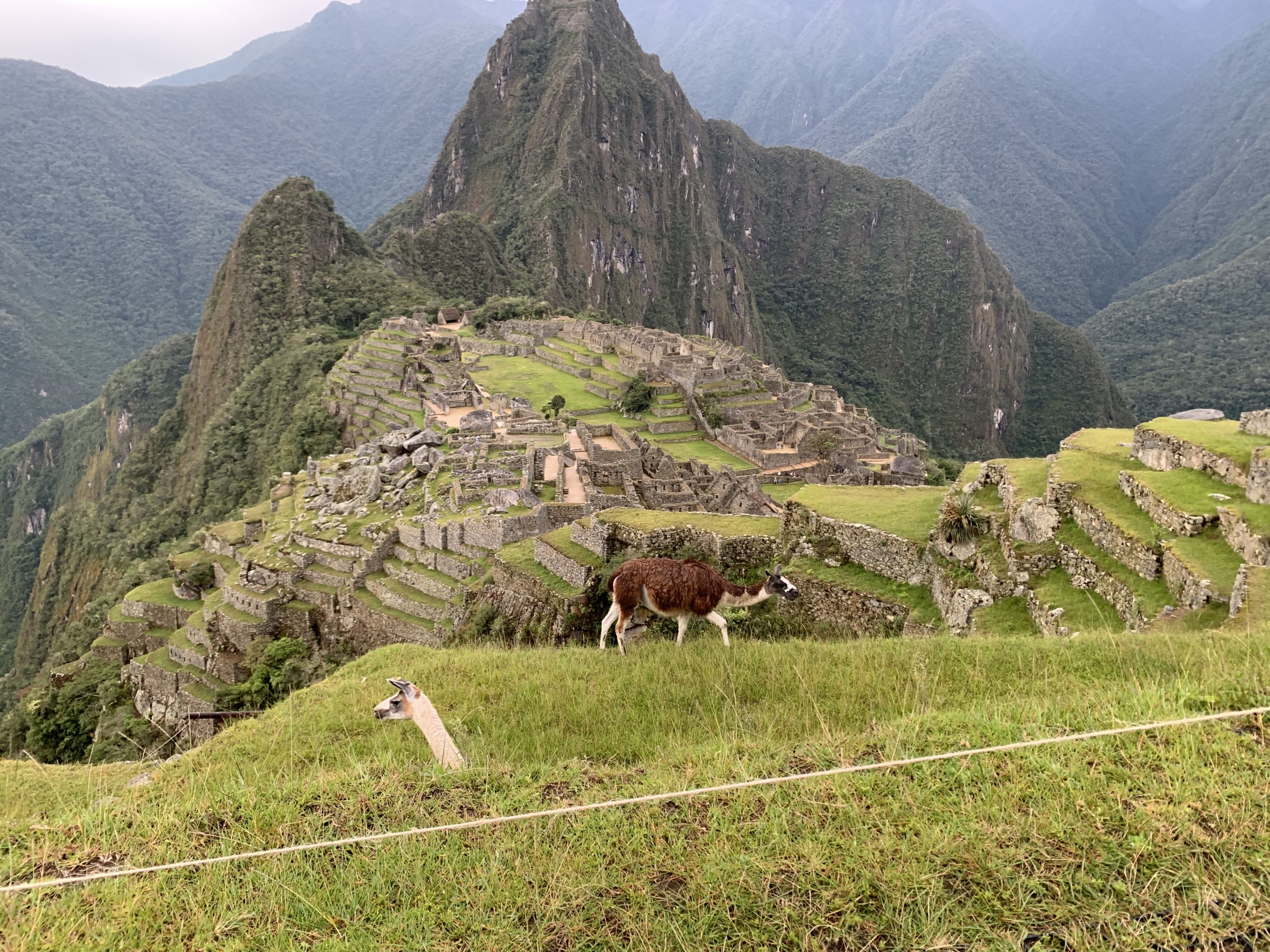
What you need to know about the Inca Trail
What is the Inca Trail and why is it so popular?
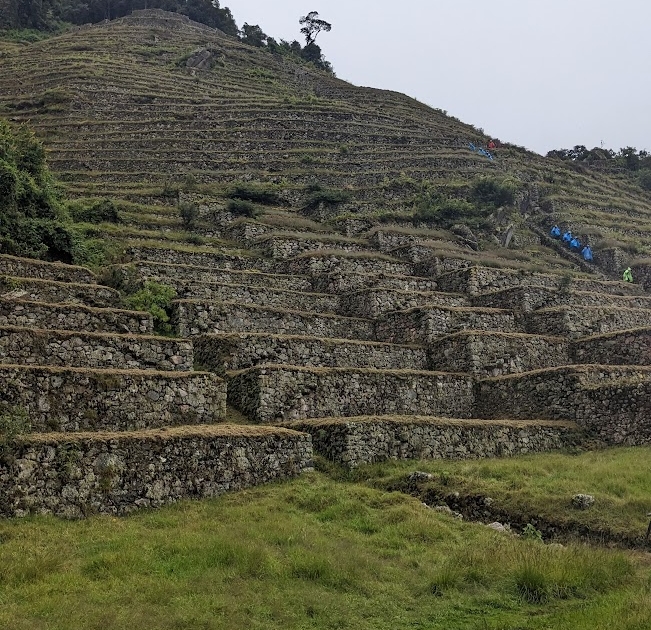
- The Inca Trail is only part of a vast trail system that the Incas created to keep their empire connected. Since there were easier trails to traverse goods and people to Machu Picchu, many people believe the Inca Trail was created for religious and ceremonial practices. It is the only route that leads you to Machu Picchu through the Sun Gate.
- The Inca Trail trek usually takes 4 days, and it’s a great way for hikers to experience both Peru’s natural beauty and historical sites while being rewarded with the iconic Machu Picchu at the end of the journey.
- Because of its popularity, you are required to get a permit in order to hike on the Inca Trail.
- As of now, the only way to get a permit is to hire a tour company. We used Alpaca Expedions and really enjoyed every aspect of the trek they could control.
Are there other ways to get to Machu Picchu?
- Absolutely!
- There are different lengths of the Inca Trail, some shorter and some longer.
- Lares Trail: Considered a little easier than some of the other treks, but it still takes you up over the peaks. Meanwhile taking you through local Andean communities and passed breathtaking waterfalls to the big finale – Machu Picchu.
- Train ride: You can catch a train from Cusco to Aguas Calientes. From Aguas Calientes you can either climb numerous steep stairs to the entrance of Machu Picchu or take a bus.
When is the best time to trek the Inca Trail?
- The best time to visit Machu Picchu is in Peru’s dry season (May-October). This doesn’t mean there is no rainfall during that time…BELIEVE ME! We went in the middle of May and it rained (downpour) 3 out of the 4 days we were on the trail. It actually snowed up at elevation and some groups had to turn back. Our guides were able to modify the itinerary to help offset the unpredictable weather.
- No matter what time of year you decide to trek the Inca Trail, you are in the mountains up at elevation. You need to pack in layers to help you stay comfortable throughout all the microclimates you traverse through.

How hard is the Inca Trail?
- For the most part I would say the trail is of moderate difficulty with a few areas of more strenuous difficulty. Day 2 is definitely the hardest as you are crossing the two highest peaks where altitude may play a factor in how you feel.
- The path itself consists of stone paths and stairs with plenty of vistas to stop and admire the scenery while catching a breath.
- While hiking poles are not necessary they are a big help! They help save your knees from all the unevenness of the stones and help with balance when climbing up and down uneven stairs.
- If using hiking poles they must have rubber tips.
What is the food like?
- Fantastic!!
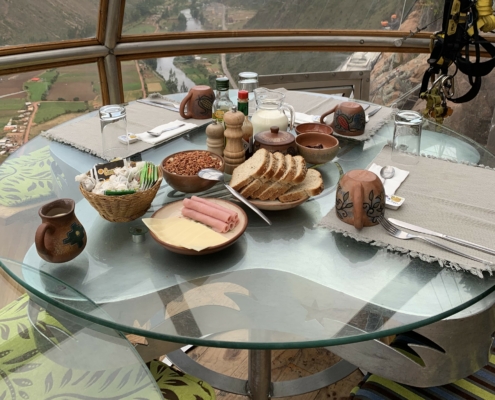
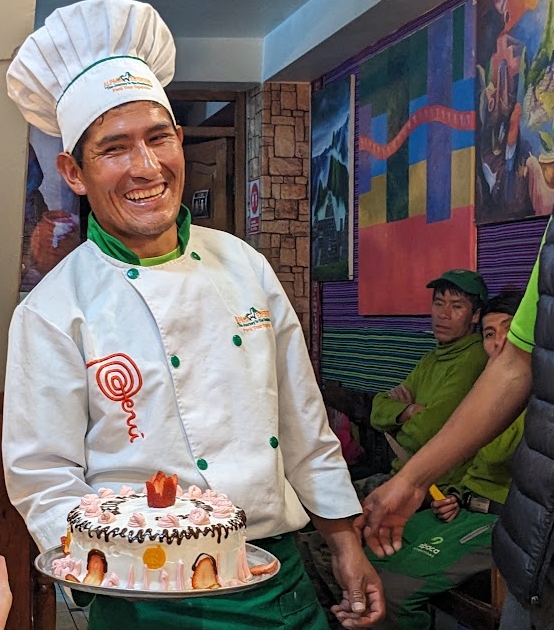
- There were three feasts each day prepared by your personal chef. Food was served family-style with any food allergies being accommodated. Those were served on separate plates with extras being designated with the appropriate allergy.
- The food was always prepared with the freshest ingredients highlighting the authentic Peruvian cuisine.
- Snacks are the only thing you are responsible for. Food was plentiful, but sometimes during the strenuous parts a little pick me up is needed.
- During the first day you may pass women selling snacks/biscuits for a cheap price; otherwise there are no stores along the way.

Do they provide water?
- Yes
- They have safe water for you to fill up your water bottles or hydration packs at each meal and campsite.
What are the bathrooms like?
- Well…they’re an added adventure!
- They start off with a rudimentary toilet system and eventually turn into pit toilets.
- During the beginning of the trek the bathrooms are managed by locals where you pay to utilize the facility.
- Make sure to have coins on you…most don’t have change.
- Bring your own toilet paper and hand sanitizer.
- Toilet paper (single use) you can buy for a cheap price at the early bathrooms.
- Early bathrooms had a bar of soap by the sink.
- Most tour companies provide private tented toilets.
Can I add additional tours to this adventure?
You sure can.
- Huayna Picchu: It is the steep mountain rising above Machu Picchu and offering the best panoramic views of the Urubamba River valley. Considered to be a challenging yet rewarding hike. The hike takes about 1-2 hours to reach the summit through steep trails and narrow paths.
- Rainbow Mountain: A new natural discovery that took the world by surprise. The vibrant colors are caused by the presence of numerous minerals creating a stunning striped pattern across the landscape. Considered to be another challenging trek and takes about 3.5 hours to trek up to the peak ~17000 ft.
- Weather can be a factor as to what you see. During our time there, it was snow covered.
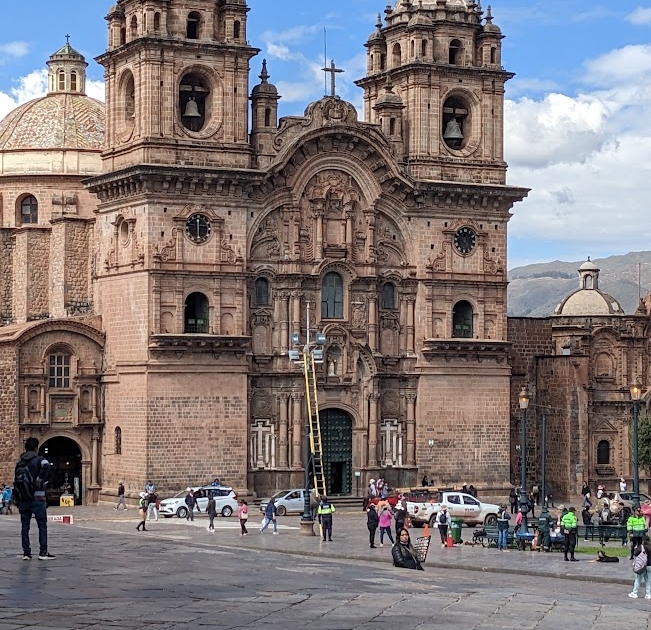
- Spend a day in Cusco: Enjoy the unique architecture embracing both the Incan and Spanish cultures.
Other tips!
- Cusco is at elevation. Flying in two days before is a great way to acclimate to the elevation.
- My husband and I did not take this seriously and we definitely noticed it during the hike…it wasn’t bad enough for us to see the need in taking Diamox.
- Trying new foods the night before departure is not recommended.
- Two people in our group tried foods they weren’t used to eating and suffered from that decision the next day on the hike.
- Keep your day pack light.
- The tour companies give you a duffel bag to place all your extra clothes/sleeping bag in. This is then carried by the porters.